
Introduction
The world is changing faster than ever before, and technology is the main reason behind this change. New inventions are not only improving how we work, but also how we live, learn, travel, and communicate. When people talk about the future, they often imagine flying cars or robots everywhere. However, the real future is already taking shape through practical tools and systems that solve everyday problems. Understanding future tech examples helps us prepare for what is coming next.
Future tech examples are not limited to big companies or scientists. They are slowly entering homes, schools, hospitals, and small businesses. From smart homes that save energy to medical tools that detect diseases early, future technology focuses on making life easier, safer, and more efficient. Even students and beginners can benefit by learning how these technologies work and how they may affect jobs and skills.
In this article, you will explore future tech examples in simple English. Each section is written in a clear and friendly tone, making it easy to understand even if you are new to technology topics. You will learn what future tech examples are, why they are important, and how they are being developed step by step. You will also discover benefits, risks, common mistakes, and expert tips. By the end, you will have a strong understanding of how future technology may shape tomorrow’s world and how you can stay ready for it.
What Is Future Tech Examples?
Future tech examples are real or developing technologies that are expected to play an important role in the coming years. These technologies may already exist in early forms, but they are not yet fully common in daily life. They focus on solving problems related to speed, accuracy, safety, health, environment, and convenience.
Simply put, future tech examples show how technology may look and work tomorrow. They include tools, machines, systems, and digital platforms designed to improve how humans live and work. Some are physical, like smart robots, while others are digital, like intelligent software.
These examples are often tested in labs, startups, or limited markets before reaching the public. Over time, they become more affordable and widely used. Many technologies we use today were once future tech examples, such as smartphones, cloud storage, and video calling.
Future tech examples are not about guessing or imagination alone. They are based on current research, trends, and real-world needs. By understanding them, people can make better decisions about education, careers, and investments.
Why Is Future Tech Examples Important?
Future tech examples matter because they help society move forward in smarter ways. They are designed to solve problems that traditional methods cannot handle efficiently. As populations grow and resources become limited, technology becomes a key support system.
One important reason is preparation. When people understand future technology early, they can adapt more easily. Students can learn useful skills, and businesses can plan smarter strategies. Governments can also create better policies to support growth and safety.
Another reason is opportunity. Future tech examples often create new jobs and industries. While some old jobs may change or disappear, many new roles appear. People who understand future trends are more likely to succeed.
Future technology also improves quality of life. Better healthcare tools, cleaner energy systems, and safer transportation all come from advanced technology. These improvements help reduce stress, save time, and protect the environment.
In short, future tech examples guide progress. They show where the world is heading and how humans can use innovation to build a better future for everyone.
Detailed Step-by-Step Guide
Step 1: Identify the Problem
Every future technology starts with a problem. This could be slow communication, high energy waste, or poor healthcare access. Developers first study the issue carefully.
Understanding the problem helps shape the solution. Clear goals make technology more useful and practical.
Step 2: Research and Innovation
Once the problem is clear, research begins. Scientists and engineers test ideas, materials, and systems. This stage often takes years.
Innovation happens through trial and error. Many ideas fail, but each failure teaches something valuable.
Step 3: Build a Prototype
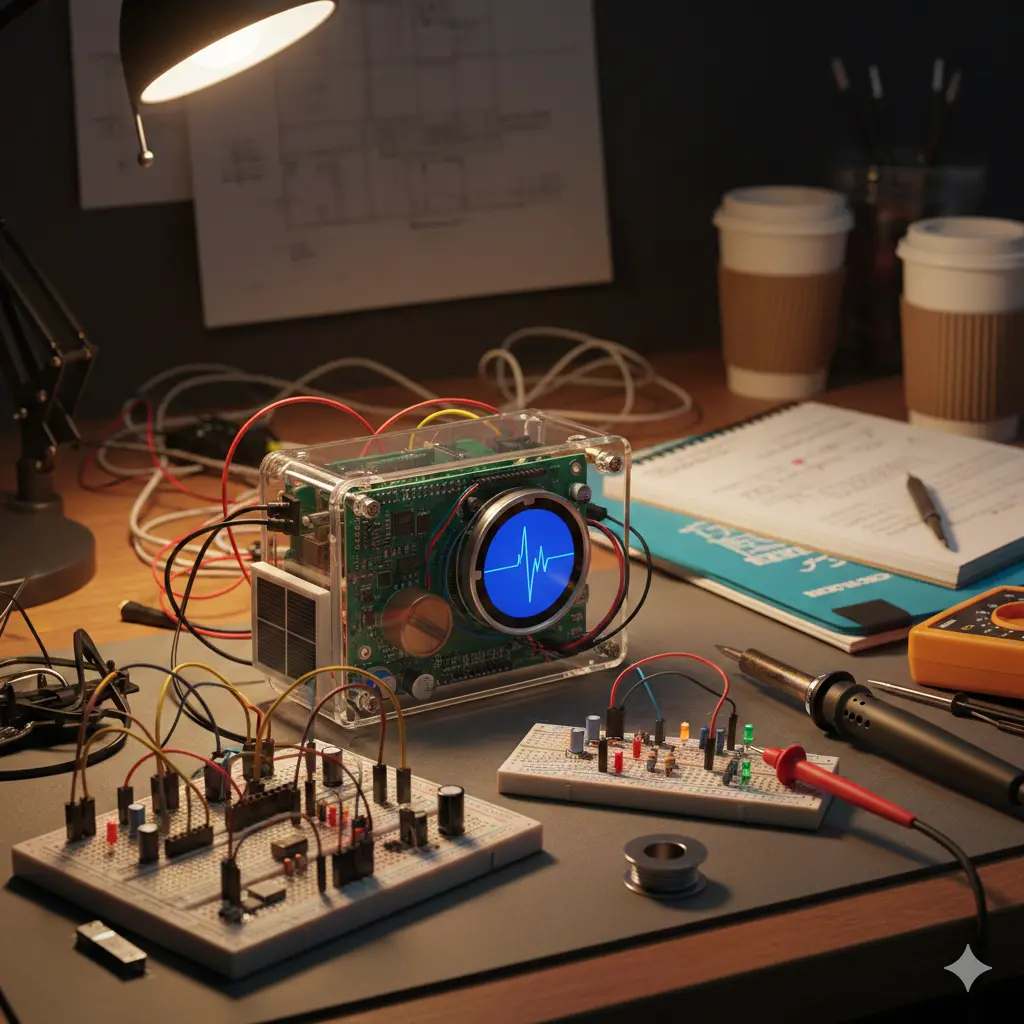
A prototype is an early version of the technology. It shows how the idea works in real life. Prototypes are tested in controlled environments.
Feedback from these tests helps improve design, safety, and performance.
Step 4: Testing and Improvement
After the prototype, developers test the technology in different situations. Bugs and weaknesses are fixed.
This step ensures the technology is reliable and safe before public use.
Step 5: Limited Release
Some future tech examples are released to a small group of users. This helps gather real-world data.
User feedback is used to make final improvements.
Step 6: Mass Adoption
Once the technology proves useful and affordable, it reaches the wider public. At this stage, it becomes part of daily life.
Over time, costs drop and usage increases.
Benefits of Future Tech Examples
- Improve efficiency and save time in daily tasks
- Enhance healthcare through early detection and treatment
- Reduce environmental impact with cleaner solutions
- Increase safety in transportation and workplaces
- Create new job opportunities and industries
- Support better communication and global connection
- Help businesses grow with smarter tools
- Improve education through interactive learning
Disadvantages / Risks
- High development and implementation costs
- Risk of job changes or job loss in some sectors
- Privacy and data security concerns
- Overdependence on technology
- Unequal access between regions or communities
- Technical failures or system errors
- Ethical concerns in decision-making systems
Common Mistakes to Avoid
Many people assume future tech examples will replace humans completely. In reality, most technologies are designed to support human work, not remove it.
Another mistake is ignoring security. New technology must always protect user data and privacy.
Some also expect instant results. Future technology takes time to develop and improve.
Lastly, avoiding learning new skills can be risky. Staying updated is important for long-term success.
FAQs
What are future tech examples in simple words?
Future tech examples are new technologies that will become common in the coming years. They aim to make life easier, safer, and smarter.
Are future tech examples already available today?
Some are available in early forms, while others are still being tested. Over time, more will reach the public.
How do future tech examples affect jobs?
They may change how jobs are done. Some roles may disappear, but many new jobs will appear.
Can beginners understand future technology?
Yes, with simple explanations and learning resources, beginners can easily understand basic concepts.
Are future tech examples safe to use?
Most are tested carefully. However, safety depends on proper design, testing, and responsible use.
How can I prepare for future technology?
Learn basic digital skills, stay curious, and follow technology trends. Adaptability is key.
Expert Tips & Bonus Points
Focus on learning skills that work with technology, not against it. Skills like problem-solving, creativity, and communication remain valuable.
Stay updated but avoid fear. Technology is a tool, and how it is used matters more than the tool itself.
Try small experiments. Using new apps or tools builds confidence and understanding.
Always think about ethics and responsibility. Good technology should help people and society.
Conclusion
Future tech examples show how innovation is shaping tomorrow’s world in practical and meaningful ways. These technologies are not just ideas from science fiction movies. They are real solutions being developed to improve health, education, communication, and sustainability. By understanding future tech examples, people can better prepare for changes and opportunities ahead.
Learning about future technology does not require deep technical knowledge. With simple explanations and real-life examples, anyone can understand how these tools work and why they matter. The key is staying open to learning and adapting to change. Technology will continue to evolve, but human values and decisions will guide how it is used.
As future tech examples become part of daily life, they will influence how we work, connect, and grow. Those who understand them early will have an advantage in skills and mindset. Instead of fearing change, embracing knowledge and curiosity can turn future technology into a powerful ally. By staying informed and responsible, we can use future tech examples to build a smarter, safer, and more balanced world for everyone.