

Introduction
Smart living with technology is no longer a luxury. It has become a natural part of modern life. From waking up with smart alarms to managing homes through mobile apps, technology is shaping how we live every day. People now rely on digital tools to save time, reduce effort, and enjoy a more comfortable lifestyle. This shift is not only about advanced gadgets. It is about using technology wisely to improve daily routines.
In today’s fast-moving world, everyone wants convenience and efficiency. Smart living with technology helps people manage work, health, education, and entertainment in better ways. Simple actions like online bill payments, smart lighting, or fitness tracking can make a big difference. These small improvements add up and create a more organized life.
Another reason smart living with technology is growing is accessibility. Many tools are now affordable and easy to use. You do not need technical knowledge to enjoy their benefits. With basic learning, anyone can adopt smart habits and tools.
Most importantly, smart living with technology supports better decision-making. Data, reminders, and automation help people avoid mistakes and stay focused. As technology continues to grow, learning how to live smartly becomes essential. Understanding this concept allows beginners and intermediate users to stay confident and prepared for the future.
What Is Smart Living With Technology?
Smart living with technology means using digital tools and smart devices to improve daily life. It focuses on comfort, efficiency, safety, and productivity. This lifestyle uses technology to automate tasks, provide information, and simplify routines.
Smart living with technology includes smart homes, wearable devices, mobile apps, and online services. These tools work together to reduce manual effort. For example, smart thermostats control temperature automatically, while smart reminders help manage schedules.
The goal is not to depend fully on machines. Instead, it is about balance. Smart living with technology supports human decisions and saves time. It allows people to focus on important things like family, health, and creativity.
This concept applies to homes, offices, schools, and cities. From smart classrooms to digital healthcare, technology is helping people live better. When used responsibly, smart living creates a more connected and efficient lifestyle.
Why Is Smart Living With Technology Important?
Smart living with technology is important because it improves quality of life. It helps people manage time, money, and energy more effectively. In busy routines, automation reduces stress and mental load.
Another key reason is safety. Smart security systems, alerts, and monitoring tools protect homes and personal data. Technology also supports health through fitness tracking and online medical services.
Smart living with technology also supports sustainability. Smart energy management reduces waste and lowers costs. Digital communication reduces paper usage and travel needs.
Education and work have also changed. Online learning and remote work tools allow flexibility and growth. People can learn new skills without location limits.
Overall, smart living with technology empowers individuals. It gives control, knowledge, and comfort in everyday life. As technology grows, its importance will continue to increase.
Detailed Step-by-Step Guide
Step 1: Understand Your Daily Needs
Start by identifying areas where technology can help. Look at daily routines such as waking up, cooking, working, or relaxing. Note tasks that take time or cause stress.
Make a simple list of problems. For example, forgetting appointments or managing energy bills. This helps you choose the right tools later.
Step 2: Start With Basic Smart Devices
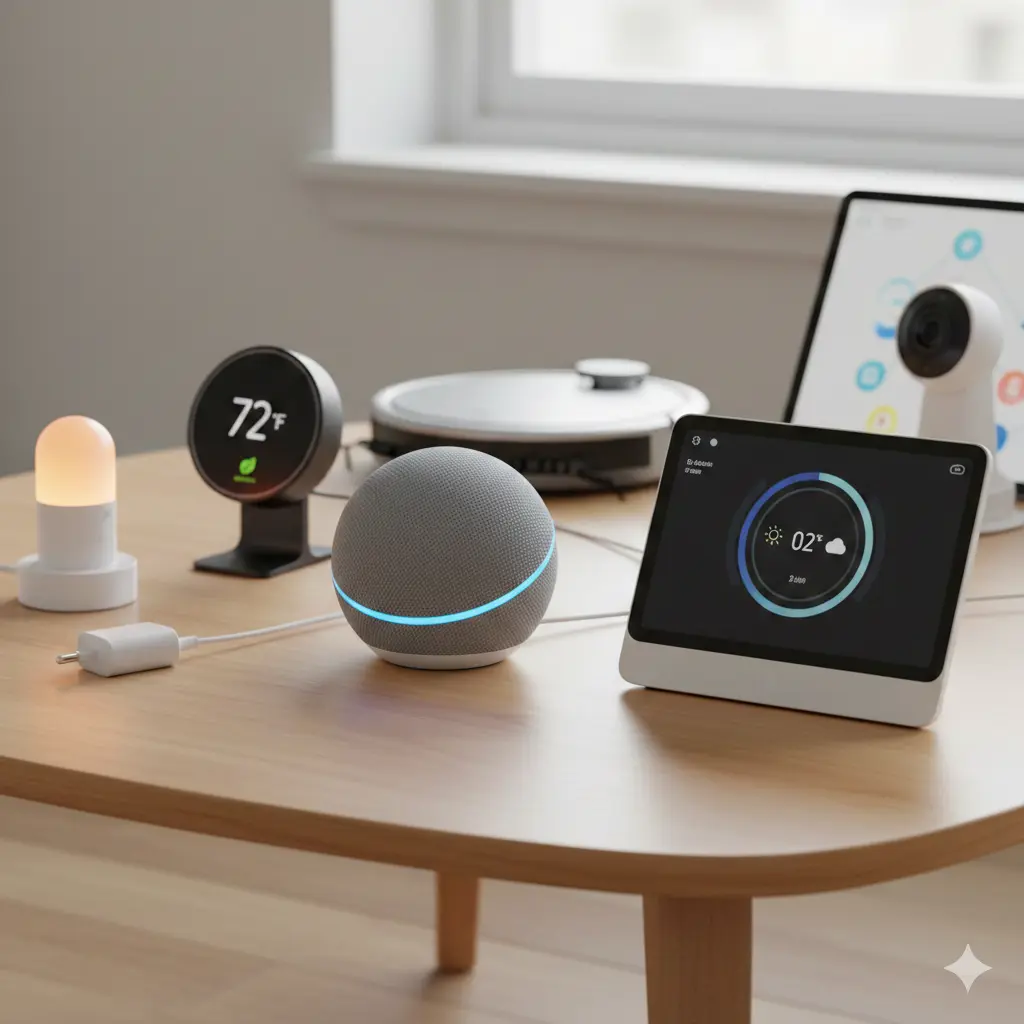
Begin with simple devices that are easy to use. Smart bulbs, plugs, or alarms are good starting points. These devices require minimal setup and provide instant benefits.
Use mobile apps to control these devices. Learn basic settings and features before moving forward.
Step 3: Organize Life With Mobile Applications
Mobile apps play a big role in smart living with technology. Use calendar apps for reminders and task management tools for daily planning.
Budget apps help track expenses and savings. Health apps monitor activity, sleep, and hydration. Choose apps that match your goals.
Step 4: Improve Home Comfort
Smart living with technology often begins at home. Smart thermostats manage temperature automatically. Smart lighting adjusts brightness based on time or activity.
Voice assistants help control devices without manual effort. This improves comfort and accessibility for all family members.
Step 5: Focus on Digital Security
Security is essential in smart living with technology. Use strong passwords and enable two-step verification. Keep devices updated to avoid risks.
Install antivirus software and avoid unknown applications. Awareness protects both personal data and devices.
Step 6: Use Technology for Health and Fitness
Wearable devices track steps, heart rate, and sleep. These insights help improve lifestyle choices. Set daily goals and monitor progress.
Online consultations and health reminders support preventive care. Technology encourages healthy habits when used consistently.
Step 7: Learn Continuously
Technology changes quickly. Stay updated by learning new features and tools. Watch tutorials or read guides in simple language.
Continuous learning helps you adapt and enjoy smart living with technology without feeling overwhelmed.
Benefits of Smart Living With Technology
- Saves time by automating daily tasks
- Improves comfort and convenience at home
- Enhances safety through smart security systems
- Supports better health monitoring
- Reduces energy consumption and costs
- Improves productivity and focus
- Offers better organization and planning
- Encourages sustainable living practices
Disadvantages / Risks
- Overdependence on technology
- Privacy and data security concerns
- Initial setup costs
- Technical issues or system failures
- Learning curve for beginners
- Reduced physical activity if misused
Common Mistakes to Avoid
Many people rush into smart living with technology without planning. Buying too many devices at once can cause confusion and waste money.
Ignoring security settings is another common mistake. Weak passwords and outdated software increase risks.
Some users rely too much on automation and stop thinking critically. Balance is important.
Skipping regular updates can lead to poor performance. Always maintain devices and apps.
Finally, choosing complex tools without understanding needs creates frustration. Start simple and grow gradually.
FAQs
What is the main goal of smart living with technology?
The main goal is to improve daily life by saving time, increasing comfort, and reducing stress. It helps people manage tasks efficiently.
Is smart living with technology expensive?
It can be affordable if started slowly. Many basic tools are low-cost and provide good value over time.
Can beginners adopt smart living easily?
Yes, beginners can start with simple devices and apps. Most tools are user-friendly and require minimal technical knowledge.
Is smart living with technology safe?
It is safe when proper security measures are used. Strong passwords, updates, and awareness reduce risks.
Does smart living reduce human effort too much?
Smart living supports effort, not replaces it. It removes repetitive tasks and allows focus on meaningful activities.
How does smart living with technology help the environment?
It reduces energy waste, supports paperless communication, and promotes efficient resource use.
Expert Tips & Bonus Points
Start small and build confidence gradually. Focus on one area at a time.
Always read instructions before setup. This avoids mistakes and saves time.
Use trusted apps and devices with good user reviews.
Review device settings regularly to ensure optimal performance.
Teach family members basic usage to avoid confusion.
Balance digital life with offline activities for mental health.
Conclusion
Smart living with technology is about making life easier, safer, and more organized. It allows people to manage daily routines with less effort and more control. By using simple tools wisely, anyone can improve comfort and productivity.
This lifestyle does not require advanced skills or expensive gadgets. It starts with understanding needs and choosing the right solutions. Small steps lead to big improvements over time.
Smart living with technology also supports personal growth. It encourages learning, adaptability, and better decision-making. When technology works with human values, it creates balance and harmony.
However, awareness is important. Users must avoid overdependence and protect privacy. Responsible use ensures long-term benefits.
As technology continues to grow, smart living will become even more important. Those who adopt it early gain confidence and flexibility. By embracing smart living with technology thoughtfully, individuals can enjoy a modern life that is efficient, comfortable, and meaningful.