
Introduction
Data protection techniques are no longer optional in today’s digital world. Every day, people share personal information online, businesses store customer records, and organizations manage sensitive data. From emails and passwords to bank details and medical records, everything exists in digital form. As a result, data has become one of the most valuable assets in modern life. However, this value also makes data a major target for hackers, scammers, and cybercriminals.
Many beginners believe that data protection is only for big companies or IT experts. In reality, anyone who uses a smartphone, computer, or the internet needs to understand basic data protection techniques. A single mistake, such as using a weak password or clicking a fake link, can lead to data loss, financial damage, or identity theft. For businesses, poor data protection can result in legal trouble, loss of trust, and serious financial losses.
This article explains data protection techniques in simple English for beginners and intermediate readers. It focuses on practical steps, real-life examples, and clear explanations without technical confusion. You will learn what data protection techniques are, why they matter, how to apply them step by step, and what mistakes to avoid. By the end of this guide, you will have a strong understanding of how to protect data in daily life and professional environments using smart and reliable methods.
What is Data Protection Techniques?
Data protection techniques are methods and practices used to secure data from unauthorized access, misuse, loss, or damage. These techniques help keep information safe during storage, processing, and transfer. The goal is to ensure that only authorized people can access data and that the data remains accurate and available when needed.
Data can exist in many forms, such as digital files, databases, emails, cloud storage, or physical documents. Data protection techniques apply to all these forms. For example, locking a file with a password is a simple data protection technique. Encrypting a database or backing up files regularly are more advanced techniques.
In simple terms, data protection techniques focus on three main goals:
- Confidentiality: Keeping data private
- Integrity: Preventing data from being changed without permission
- Availability: Ensuring data is accessible when required
These techniques are used by individuals, businesses, schools, hospitals, and governments. Whether it is protecting personal photos or customer payment information, data protection techniques play a vital role in digital safety.
Why is Data Protection Techniques Important?
Data protection techniques are important because data misuse can cause serious harm. When data is exposed or stolen, it can lead to identity theft, fraud, financial loss, and reputational damage. Even a small data leak can have long-lasting effects.
For individuals, poor data protection can result in hacked social media accounts, stolen bank details, or private photos being shared without consent. For businesses, weak data protection can lead to customer data breaches, legal penalties, and loss of customer trust.
Here are some key reasons why data protection techniques are essential:
- They prevent unauthorized access to sensitive data
- They protect against cyberattacks and data breaches
- They help businesses comply with data laws and regulations
- They maintain trust between organizations and users
- They reduce financial and legal risks
As technology continues to grow, cyber threats are also increasing. This makes data protection techniques more important than ever for everyone who uses digital systems.
Detailed Step-by-Step Guide
Step 1: Identify and Classify Data

The first step in data protection techniques is knowing what data you have. Not all data is equally sensitive. Some data requires strong protection, while other data may need basic security.
Start by identifying data types, such as:
- Personal information
- Financial records
- Login credentials
- Business documents
Then classify data based on sensitivity. For example, customer payment details need higher protection than general marketing content.
Step 2: Use Strong Password Management
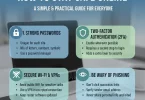
Passwords are one of the simplest yet most important data protection techniques. Weak passwords make it easy for attackers to access systems.
Best practices include:
- Use long and unique passwords
- Avoid common words or personal details
- Change passwords regularly
- Use a password manager for storage
Strong passwords reduce the risk of unauthorized access and data theft.
Step 3: Apply Encryption Methods
Encryption is a powerful data protection technique that converts data into unreadable format. Only authorized users with a key can read encrypted data.
Encryption should be used for:
- Stored files
- Databases
- Emails
- Data transfers
Even if attackers access encrypted data, they cannot understand it without the decryption key.
Step 4: Enable Access Control
Access control ensures that only authorized users can access specific data. This technique limits data exposure and reduces internal risks.
Common access control methods include:
- User roles and permissions
- Multi-factor authentication
- Restricted admin access
For example, not every employee should have access to customer financial data.
Step 5: Regular Data Backups
Backups are essential data protection techniques that protect against data loss. Hardware failure, malware, or accidental deletion can destroy data.
Best backup practices include:
- Schedule automatic backups
- Store backups in secure locations
- Use both online and offline backups
- Test backups regularly
Backups ensure data recovery in case of emergencies.
Step 6: Secure Devices and Networks
Devices and networks are common entry points for attackers. Securing them is a critical part of data protection techniques.
Important steps include:
- Install security updates
- Use antivirus software
- Secure Wi-Fi networks
- Avoid public networks for sensitive tasks
A secure device environment reduces cyber risks significantly.
Step 7: Educate Users and Staff
Human error is a major cause of data breaches. Education is one of the most effective data protection techniques.
Training should cover:
- Identifying phishing emails
- Safe internet usage
- Proper data handling practices
- Reporting suspicious activity
Educated users help prevent security incidents before they happen.
Benefits of Data Protection Techniques
- Protects personal and sensitive information
- Reduces risk of data breaches and cyberattacks
- Builds trust with customers and users
- Helps meet legal and compliance requirements
- Prevents financial losses
- Improves overall system security
- Ensures data availability during emergencies
Disadvantages / Risks
- Implementation can be costly
- Requires ongoing maintenance and updates
- Can reduce system performance if poorly configured
- Complexity may confuse beginners
- False sense of security if not properly managed
Common Mistakes to Avoid
Many people make mistakes while applying data protection techniques. These mistakes can weaken security and increase risk.
Common mistakes include using weak passwords, ignoring updates, skipping backups, sharing credentials, and trusting unknown emails. Another major mistake is assuming that one security method is enough. Data protection requires multiple layers working together.
Failing to train users, not monitoring systems, and delaying security improvements are also serious errors. Avoiding these mistakes improves overall data safety.
FAQs
What are data protection techniques?
Data protection techniques are methods used to secure data from unauthorized access, loss, or misuse. They include passwords, encryption, backups, and access control.
Are data protection techniques only for businesses?
No. Individuals also need data protection techniques to protect personal information, emails, photos, and financial data.
How often should data be backed up?
Data should be backed up regularly, preferably daily or weekly, depending on how often it changes.
Is encryption difficult to use?
Modern encryption tools are user-friendly. Many devices and applications offer built-in encryption features.
What is the biggest data protection risk?
Human error is one of the biggest risks. Clicking malicious links or sharing credentials can cause major data breaches.
Can data protection techniques guarantee full security?
No system is 100% secure, but proper data protection techniques greatly reduce risks and damage.
Expert Tips & Bonus Points
Use layered security instead of relying on one method. Keep systems updated and monitor activity regularly. Always assume that threats exist and stay proactive. Start with simple steps and gradually improve security practices. Consistency is more important than complexity.
Conclusion
Data protection techniques are essential for anyone who uses digital devices or online services. In a world where data is constantly shared, stored, and transferred, protecting it is a responsibility that cannot be ignored. From individuals to large organizations, everyone benefits from applying strong data protection techniques.
This guide explained data protection techniques in simple and practical terms. You learned what they are, why they matter, and how to apply them step by step. Techniques such as strong passwords, encryption, backups, access control, and user education work together to create a secure data environment. While there are challenges and risks, the benefits of data protection clearly outweigh the disadvantages.
By avoiding common mistakes and following expert tips, beginners can build a strong foundation for data security. Data protection is not a one-time task but an ongoing process that requires attention and improvement. When applied correctly, data protection techniques help prevent loss, protect privacy, and build trust. Taking action today can save you from serious problems tomorrow.