
Introduction
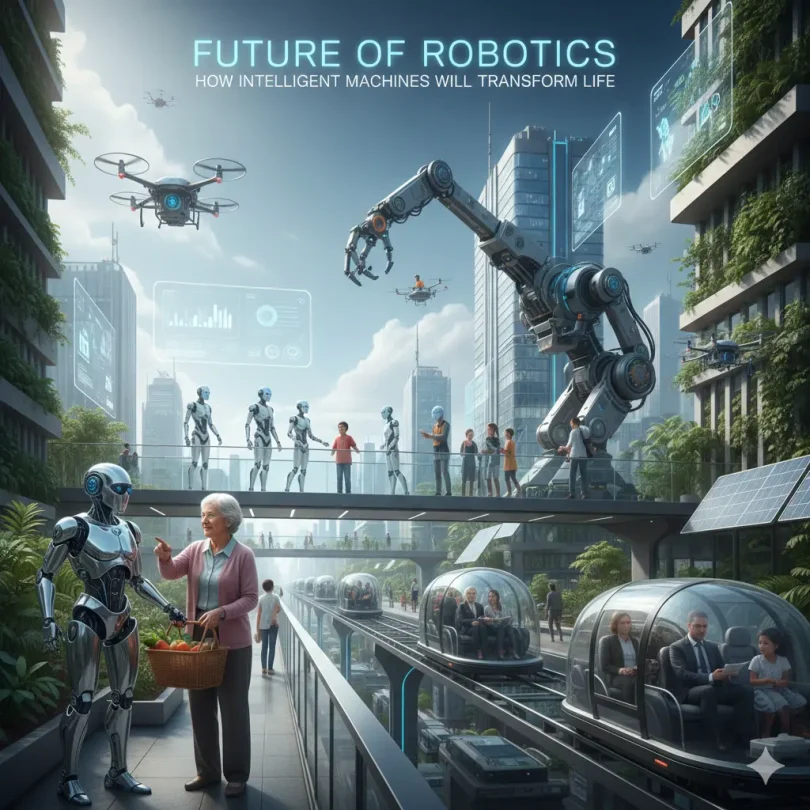
The future of robotics is becoming one of the most exciting topics in modern technology. Robots are no longer limited to science fiction movies or factory floors. Today, they are entering homes, hospitals, schools, farms, and even offices. As technology grows, robotics is changing how people work, live, and solve everyday problems.
In simple terms, the future of robotics focuses on how robots will become smarter, safer, and more helpful in daily life. These machines are being designed to think, learn, and act with better accuracy than ever before. Because of this progress, many industries are adopting robots to improve efficiency and reduce human effort.
For beginners and intermediate learners, understanding the future of robotics is important. It helps explain how jobs may change, how healthcare can improve, and how businesses can grow faster. Robots are also helping humans perform dangerous tasks, reducing risks and saving lives.
However, this future is not only about machines. It is also about humans learning how to work alongside robots in a balanced way. With the right planning, robotics can support growth, creativity, and innovation.
This article explains the future of robotics in clear and simple language. It covers what robotics means, why it matters, its benefits, risks, common mistakes, and expert insights. By the end, you will have a clear understanding of how robotics will shape the world ahead.
What Is Future of Robotics?
The future of robotics refers to the ongoing development and improvement of robots that can perform tasks with greater intelligence, flexibility, and independence. These robots are designed to assist humans rather than replace them entirely.
Robotics combines engineering, programming, sensors, and intelligent systems. In the future, robots will be able to learn from experience, adapt to new environments, and interact naturally with people.
The future of robotics also includes advanced machines such as service robots, medical robots, autonomous vehicles, and collaborative robots. These systems are built to handle complex tasks that once required human judgment.
Instead of fixed machines doing repetitive work, future robots will be more adaptable. They will understand instructions, recognize objects, and respond to changing situations in real time.
Overall, the future of robotics is about creating machines that support human goals while improving safety, accuracy, and productivity across industries.
Why Is Future of Robotics Important?
The future of robotics is important because it directly affects economic growth, quality of life, and technological progress. Robots can perform tasks faster and more accurately, which helps businesses reduce costs and increase output.
In healthcare, robotics can improve patient care by assisting in surgeries, rehabilitation, and elderly support. In agriculture, robots can help farmers monitor crops and reduce manual labor.
Another reason robotics is important is safety. Robots can handle dangerous tasks such as mining, disaster response, and chemical handling. This reduces the risk of injury to humans.
The future of robotics also supports innovation. It allows humans to focus on creative and strategic tasks while machines handle repetitive work.
Finally, robotics plays a key role in solving global challenges. From food production to climate monitoring, robots can collect data and perform tasks that are difficult for humans alone.
Detailed Step-by-Step Guide
Step 1: Understanding Robotics Basics
The first step is learning what robots are and how they work. Robots use sensors to gather information, processors to make decisions, and actuators to perform actions.
Basic knowledge of mechanics, electronics, and software helps in understanding robotics systems.
Step 2: Learning How Robots Sense the World
Future robots rely on sensors such as cameras, microphones, and touch sensors. These tools help robots understand their surroundings and react correctly.
Improved sensing allows robots to work safely near humans.
Step 3: Programming and Intelligence
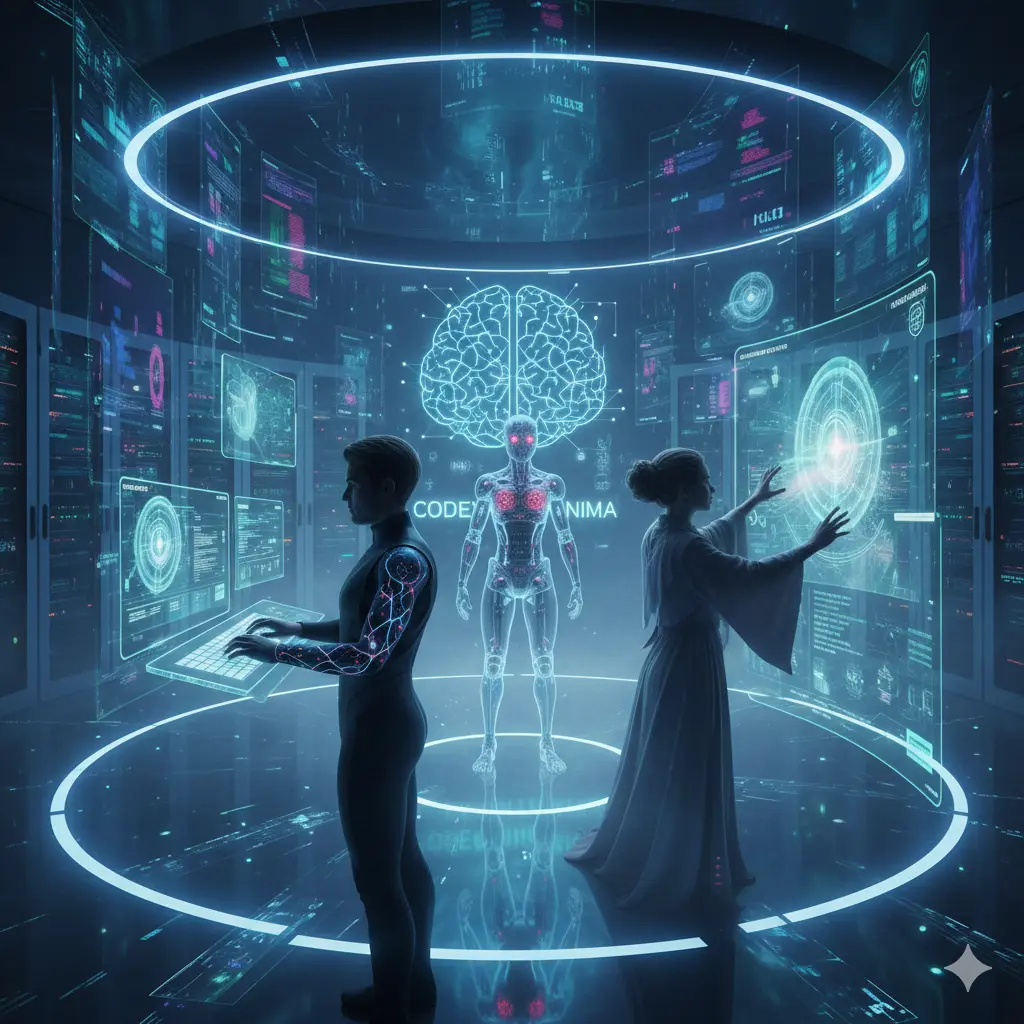
Robots need instructions to perform tasks. In the future of robotics, machines will rely on advanced programming and learning methods to improve performance over time.
This step focuses on decision-making and problem-solving abilities.
Step 4: Human-Robot Interaction
Modern robots are designed to work with people. Understanding how humans communicate with robots is essential for smooth collaboration.
Clear interfaces and simple controls improve trust and usability.
Step 5: Testing and Safety Measures
Before robots are used widely, they must be tested for safety and reliability. This ensures they operate correctly in real-world environments.
Safety standards help prevent accidents and errors.
Step 6: Real-World Deployment
The final step is applying robots in real situations. This includes factories, hospitals, homes, and public spaces.
Successful deployment depends on training users and monitoring performance.
Benefits of Future of Robotics
- Improves productivity and efficiency in industries
- Reduces human effort in repetitive tasks
- Enhances safety in dangerous environments
- Supports healthcare with precise medical assistance
- Helps businesses reduce long-term operational costs
- Encourages innovation and technological growth
- Improves quality of life through automation
- Enables better data collection and analysis
Disadvantages / Risks
- Job displacement in certain industries
- High initial development and maintenance costs
- Dependence on technology and systems
- Privacy concerns due to data collection
- Technical failures or malfunctions
- Ethical challenges in decision-making
- Security risks if systems are misused
Common Mistakes to Avoid
One common mistake is assuming robots will replace all human jobs. In reality, most robots support human work rather than eliminate it.
Another mistake is ignoring training needs. Without proper education, people may struggle to use robotic systems effectively.
Some organizations also overlook safety planning. This can lead to accidents or system failures.
Overestimating robot abilities is another issue. Robots still need guidance and supervision.
Finally, failing to consider ethical and social impact can create long-term problems.
FAQs
What industries will benefit most from the future of robotics?
Manufacturing, healthcare, agriculture, logistics, and education will benefit greatly. Robots help improve efficiency and accuracy in these fields.
Will robots replace human workers completely?
No, robots will mostly assist humans. Many jobs will change, but human creativity and decision-making remain essential.
Is the future of robotics safe for society?
With proper regulations and safety standards, robotics can be safe and beneficial. Responsible development is key.
How will robotics affect daily life?
Robots may help with household tasks, healthcare monitoring, transportation, and customer service, making life easier.
Do robots require constant maintenance?
Yes, robots need regular updates and maintenance to work properly and safely over time.
Can beginners learn about robotics easily?
Yes, with simple learning resources and basic knowledge, beginners can understand robotics concepts step by step.
Expert Tips & Bonus Points
Focus on learning fundamentals before advanced topics. A strong base helps in understanding future developments.
Stay updated with trends but avoid unrealistic expectations. Robotics evolves gradually.
Encourage ethical thinking when developing or using robots.
Promote collaboration between humans and machines rather than competition.
Invest in education and skill development to adapt to changes.
Conclusion
The future of robotics represents a powerful shift in how humans interact with technology. Robots are becoming more intelligent, flexible, and capable of supporting everyday activities. From healthcare and agriculture to business and home life, robotics is reshaping the world in meaningful ways.
Understanding the future of robotics helps individuals and organizations prepare for change. Instead of fearing automation, people can learn how to work alongside robots to achieve better results. When used responsibly, robotics can increase safety, productivity, and overall well-being.
However, this future also requires careful planning. Addressing risks such as job changes, privacy concerns, and ethical challenges is essential. Balanced development ensures that robotics benefits society as a whole.
For beginners and intermediate learners, now is the best time to explore robotics. Learning the basics opens doors to new opportunities and skills. The future of robotics is not just about machines; it is about creating a smarter, safer, and more efficient world for everyone.