
Introduction
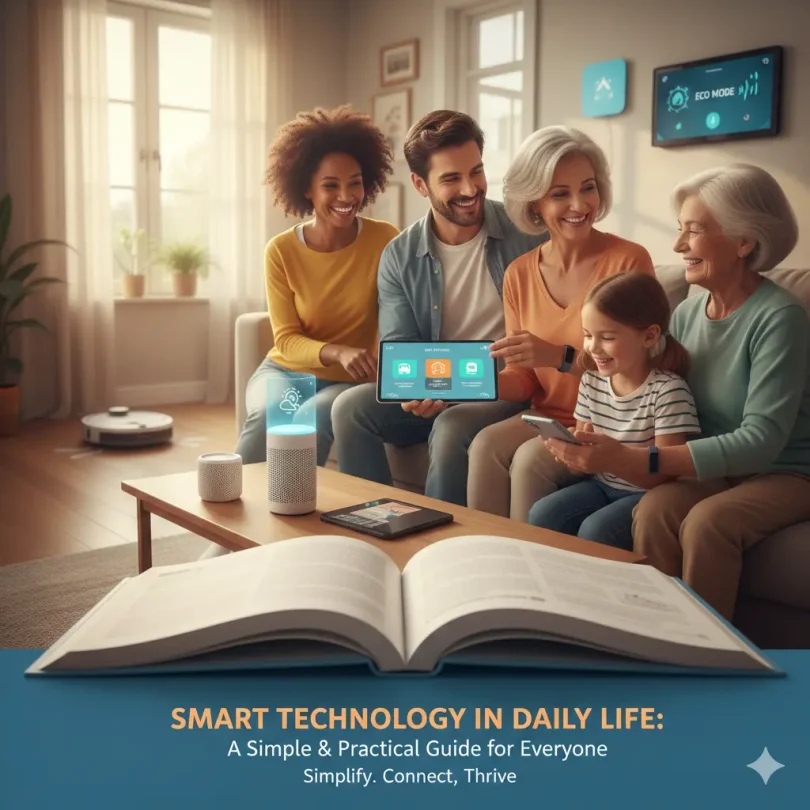
Smart technology in daily life has quietly become part of how people live, work, and relax. From waking up with a smart alarm to using navigation apps while traveling, these technologies are no longer special tools for experts only. They are simple, helpful solutions designed for ordinary people. Even beginners now use smart technology without realizing it, because many tools work automatically in the background.
Over the years, smart technology in daily life has changed routines in homes, offices, schools, and hospitals. Lights turn off by themselves, phones recognize voices, and watches track health in real time. These changes save time, reduce effort, and improve comfort. As a result, people can focus more on important tasks instead of repeating small manual actions.
However, smart technology is not just about convenience. It also affects safety, energy use, communication, and personal productivity. When used correctly, it helps people make better decisions and live more efficiently. When used carelessly, it can cause problems such as privacy risks or overdependence.
This guide explains smart technology in daily life in a clear and simple way. It covers what it means, why it matters, how to use it step by step, its benefits, disadvantages, common mistakes, and expert tips. Whether you are new to the topic or already familiar with smart devices, this article will help you understand how to use smart technology wisely and confidently.
What is Smart Technology in Daily Life?
Smart technology in daily life refers to digital tools and devices that can think, learn, or respond automatically. These technologies use sensors, software, and internet connections to make everyday tasks easier and faster. They are designed to reduce human effort while improving accuracy and comfort.
In simple terms, smart technology means machines that can make decisions based on data. For example, a smart thermostat adjusts room temperature based on weather and user habits. A smartphone assistant answers questions or sets reminders using voice commands.
Smart technology in daily life appears in many forms, such as smart homes, wearable devices, smart cars, and digital health tools. These systems often connect with each other, creating a smooth experience. For instance, a fitness band can send health data to a phone, which then gives personalized suggestions.
The key idea behind smart technology is automation combined with intelligence. Instead of doing everything manually, people allow technology to handle routine tasks. This saves time and reduces stress, especially in busy modern lifestyles.
Why is Smart Technology in Daily Life Important?
Smart technology in daily life is important because it improves how people manage time, energy, and resources. Modern life is fast, and small efficiencies can make a big difference. Smart systems help people stay organized and productive without extra effort.
Another reason smart technology matters is safety. Smart cameras, alarms, and tracking systems help protect homes and families. In healthcare, smart devices monitor vital signs and alert users about potential problems early. This can prevent serious issues and support better health decisions.
Smart technology in daily life also supports sustainability. Smart lights, thermostats, and appliances reduce energy waste. As energy costs rise, these tools help households save money while protecting the environment.
Finally, smart technology improves accessibility. People with disabilities or elderly users benefit from voice controls, automation, and health monitoring. These features allow more independence and confidence in daily activities, making technology truly inclusive.
Detailed Step-by-Step Guide
Step 1: Identify Your Daily Needs
Start by listing tasks you repeat every day. These may include waking up, cooking, cleaning, traveling, or working. Smart technology works best when it solves real problems rather than adding complexity.
Think about where you spend the most time or energy. For example, if you forget to turn off lights, smart lighting may help. If you want better health tracking, a wearable device could be useful.
Step 2: Choose Simple Smart Devices
Beginners should start with basic smart devices. Smartphones, smart speakers, and fitness trackers are easy to use and widely supported. Avoid buying many devices at once to prevent confusion.
Look for devices with simple setup instructions and clear user interfaces. Reading reviews and checking compatibility with your phone or internet connection is also important.
Step 3: Set Up and Customize Settings
After buying a device, follow the setup guide carefully. Connect it to Wi-Fi or Bluetooth as required. Most smart devices allow customization, such as setting schedules or preferences.
For example, you can schedule smart lights to turn off at bedtime or set reminders on a smart assistant. Customization ensures smart technology fits your lifestyle instead of forcing you to adapt.
Step 4: Learn Automation Features
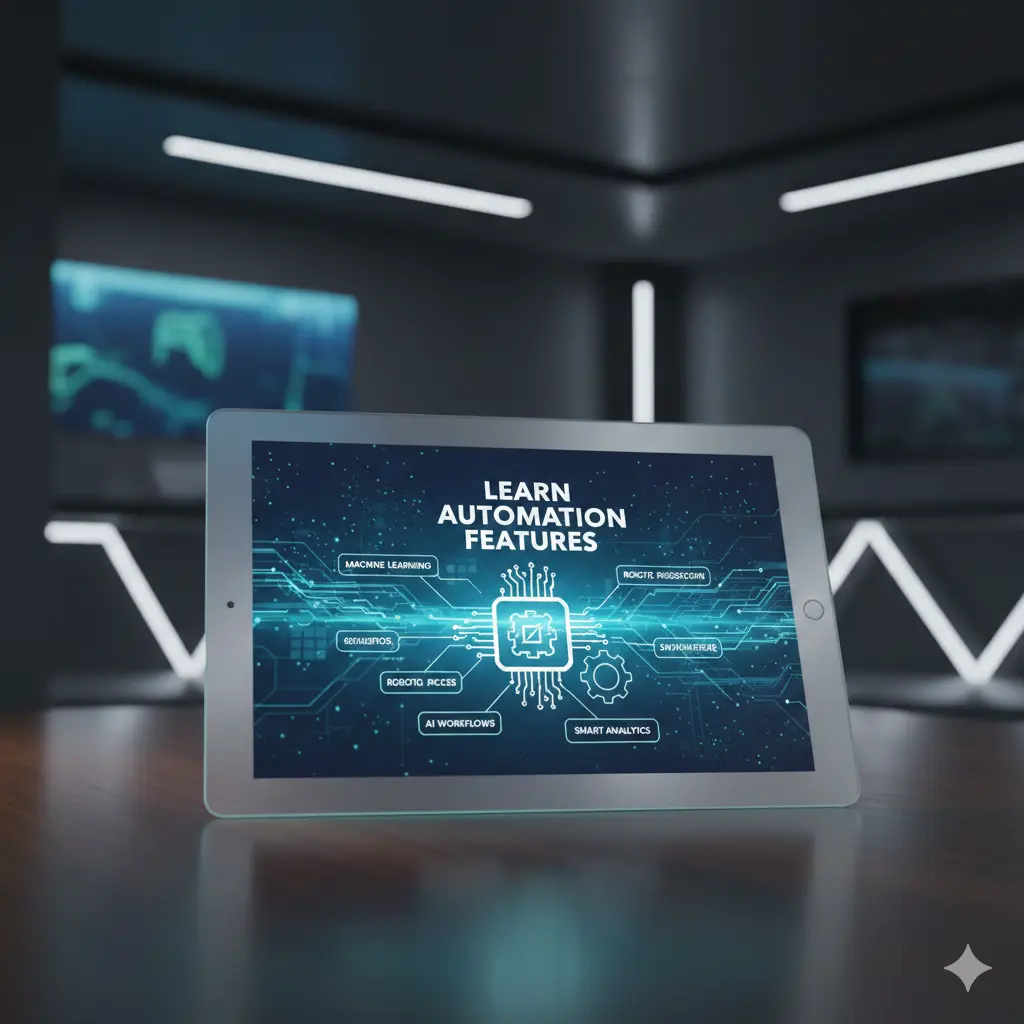
Automation is the heart of smart technology in daily life. Automation means tasks happen automatically based on rules or conditions. Learning this feature increases the value of smart devices.
Examples include automatic door locks at night or phone reminders based on location. Start with simple automation and gradually explore advanced options.
Step 5: Monitor Usage and Improve
Once devices are active, observe how they affect your routine. Check energy reports, activity logs, or health data. Use this information to make better decisions.
If something feels unnecessary or confusing, adjust settings or remove that feature. Smart technology should simplify life, not complicate it.
Benefits of Smart Technology in Daily Life
- Saves time by automating routine tasks
- Improves comfort and convenience at home
- Enhances personal and family safety
- Supports better health monitoring and awareness
- Reduces energy consumption and costs
- Helps manage schedules and reminders efficiently
- Improves productivity at work and study
- Offers personalized experiences based on habits
Disadvantages / Risks
- Privacy concerns due to data collection
- Dependence on internet connectivity
- Initial cost of smart devices
- Risk of overreliance on technology
- Compatibility issues between devices
- Learning curve for some users
Common Mistakes to Avoid
Many people buy smart devices without clear goals. This leads to unused gadgets and wasted money. Always start with a purpose before purchasing.
Another common mistake is ignoring security settings. Weak passwords or unprotected networks increase privacy risks. Users should update software regularly and use strong authentication.
Some users expect instant perfection. Smart technology needs adjustment and learning. Giving up too early prevents users from enjoying long-term benefits.
Finally, people sometimes overload their homes with too many smart devices. This causes confusion and technical issues. A simple, well-planned setup works best.
FAQs
What is the best example of smart technology in daily life?
Smartphones are the best example because they combine communication, navigation, entertainment, and productivity tools in one device. Most people already use them daily.
Is smart technology expensive?
Smart technology ranges from affordable to premium. Many basic tools, such as apps and smart plugs, are budget-friendly. Costs depend on features and brands.
Can smart technology work without the internet?
Some functions work offline, but many features need internet access. Basic automation may continue, but updates and remote control usually require connectivity.
Is smart technology safe to use?
Smart technology is generally safe if users follow security practices. Using strong passwords, updates, and trusted brands reduces risks significantly.
Do smart devices consume more electricity?
Most smart devices are energy-efficient. In fact, they often reduce overall energy use by optimizing consumption through automation and monitoring.
Can beginners easily use smart technology?
Yes, many smart tools are designed for beginners. Simple interfaces, voice controls, and tutorials make learning easy for new users.
Expert Tips & Bonus Points
Start small and expand slowly. This approach helps you understand each device fully. Keep devices updated to access new features and security improvements.
Use one main control platform when possible. Managing devices from a single app reduces confusion and improves reliability. Always review privacy settings and limit unnecessary data sharing.
Teach family members how to use smart tools properly. Shared understanding prevents misuse and frustration. Finally, review usage every few months to ensure technology still meets your needs.
Conclusion
Smart technology in daily life is no longer a luxury. It has become a practical solution for managing modern routines with ease and confidence. From saving time to improving safety and comfort, smart tools offer real value when used thoughtfully. They help people focus on meaningful activities instead of repetitive tasks.
However, smart technology works best when users remain in control. Understanding its purpose, benefits, and risks is essential. By choosing the right devices, setting them up carefully, and avoiding common mistakes, anyone can enjoy a smoother daily experience.
As technology continues to evolve, smart systems will become even more user-friendly and accessible. Beginners and intermediate users alike can benefit by learning gradually and staying informed. Smart technology in daily life is not about replacing human effort completely. Instead, it supports better decisions, balanced routines, and a more efficient lifestyle.
By using smart technology wisely, people can create a future where daily life feels simpler, safer, and more organized.